18738383636

Henan Junzhong Electromechanical Equipment Co., Ltd

NEWS

Junzhong Electromechanical Equipment

What are the relevant introductions about lifting hooks?
2025-08-12
6424
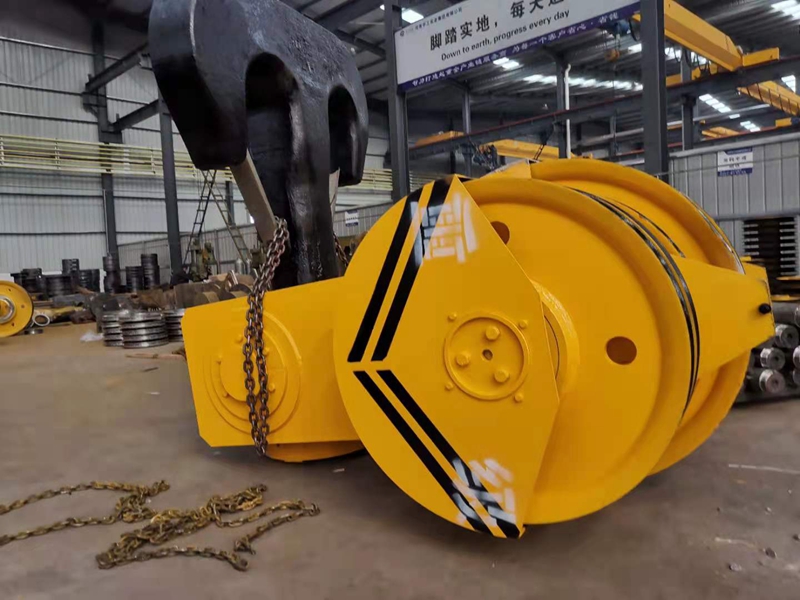
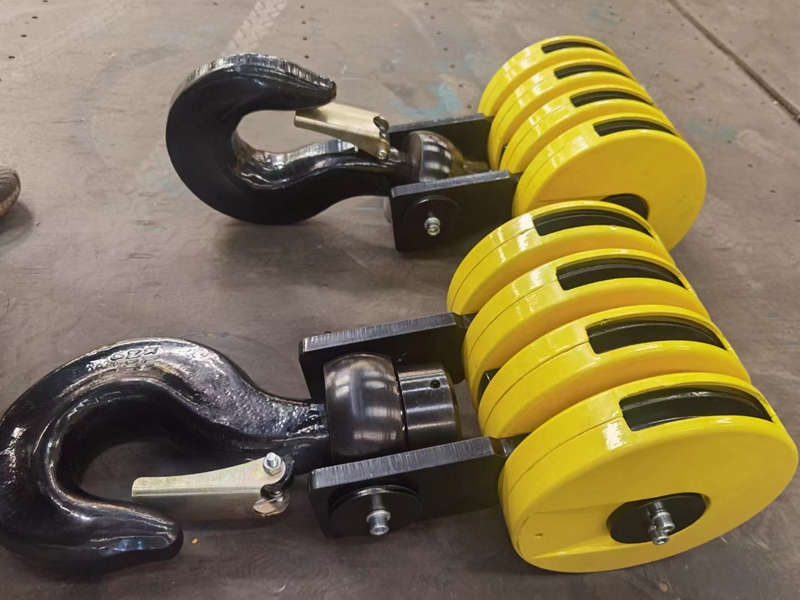
  Hanging hooks are classified into single hooks and double hooks according to their shapes; and into forged hanging hooks and laminated hanging hooks according to their manufacturing methods.  Single hooks are simple to manufacture and easy to use, but their stress conditions are poor, so they are mostly used in workplaces with a lifting capacity of less than 80 tons. When the lifting capacity is large, symmetrically stressed double hooks are often used. Laminated hooks are made by riveting several cut steel plates together. If individual plates develop cracks, the entire hook will not break, providing good safety. However, they have a large self-weight and are mostly used on cranes with large lifting capacities or for lifting steel buckets. Hooks are often impacted during operation and must be made of high-quality carbon steel with good toughness.  Hanging hooks come in a wide range of categories, generally including: shackles, lifting rings, eyelets, pear-shaped rings, long lifting rings, combination lifting rings, S-shaped hooks, nose hooks, American-style hooks, claw hooks, eye-shaped slip hooks, lifting ring screws with safety clips, chain shackles. They are characterized by their uniqueness, novelty, quality, and safety, and are suitable for use in factories, mines, petroleum, chemical, and ship docks. They ensure safety, with a quality safety factor and a static load capacity of up to 3 times. The lifting capacity ranges from 5 tons to 150 tons.

MORE >>

Precautions during the use of grab bucket
2025-08-12
6877
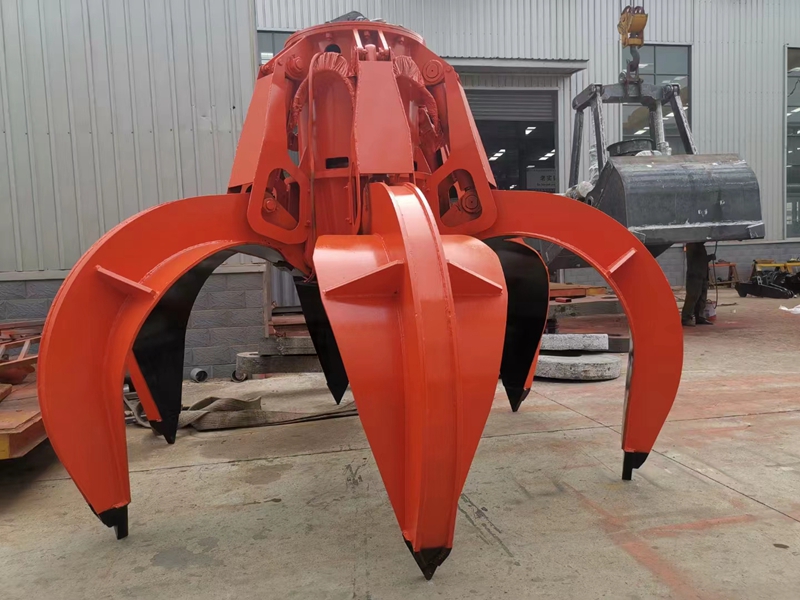
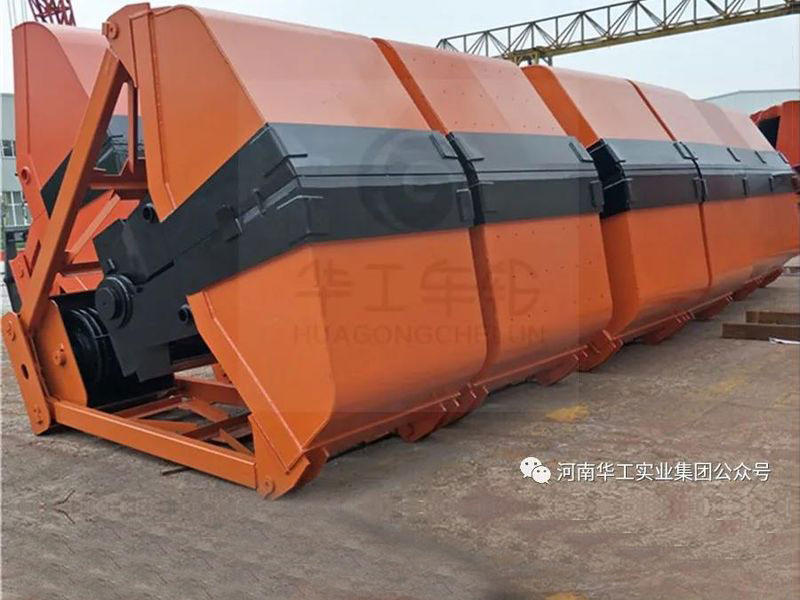
  1. Grab buckets are typically mounted on cranes and other equipment for use. To ensure construction safety and efficiency, operators must not only carefully observe the surrounding environment and other factors but also conduct regular inspections and maintenance on their components. Any abnormalities should be promptly addressed.  2. If the grab bucket or other lifting equipment is twisted, it is not advisable to correct it by hammering, as this may have the opposite effect. A more reasonable approach is to consult professional maintenance personnel for repair or replacement.  3. During the use of the grab bucket, it is prohibited to throw or pull it from beneath heavy objects, or allow the lifting device to roll on it, as this may pose safety hazards. Additionally, it is not allowed to use it beyond its rated capacity, as prolonged use in this manner may easily cause damage, rendering the equipment inoperable.  Ten conditions for not lifting with grab bucket:  (1) Do not lift if overloaded or the weight of the object is unclear;  (2) Do not lift if the signal is unclear;  (3) If the hanging is not secure or balanced, it may cause the object to slide and fail to be lifted;  (4) Do not lift if there are people or floating objects on the object being lifted;  (5) Do not lift if there are structural or component defects or damages that affect safety, such as brake or safety device malfunction, damage to the hook nut structure, or steel wire rope damage that meets the scrap standard;  (6) Do not lift any buried object if the tension is unclear;  (7) Do not lift heavy objects when slanting;  (8) Do not lift if the work site is dim and it is impossible to see the site, the condition of the lifted object, and the command signals;  (9) Do not lift if the edges and corners of the heavy object are positioned between steel wire ropes without any padding;  (10) Do not lift the molten steel (iron) if it is overfilled.  The above are some precautions for the use of grab buckets and other lifting devices. We hope they are useful to everyone. Currently, Henan Huagong Industrial Group Co., Ltd. **sells various types of grab buckets with more reliable performance and lower prices. It is currently a leading grab bucket company. Everyone is welcome to purchase.

MORE >>

Processing and process analysis of lifting drum assembly
2025-08-12
6574
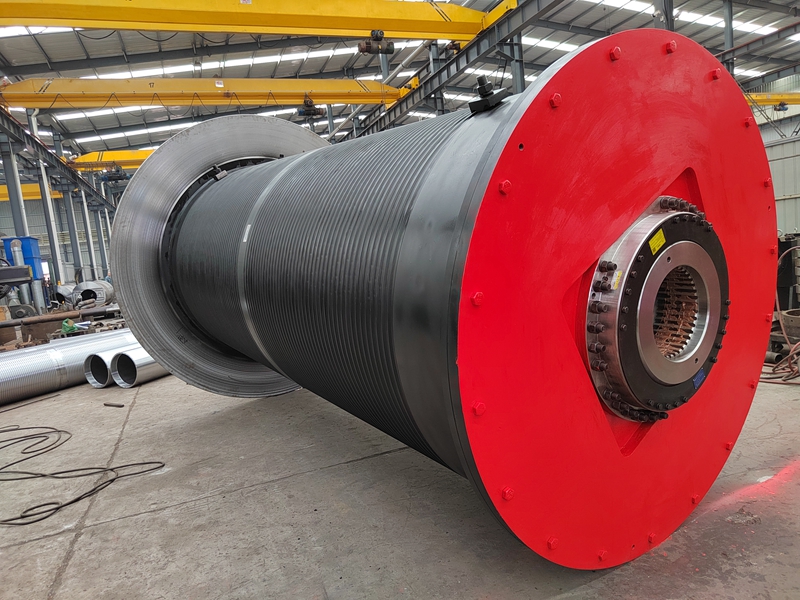
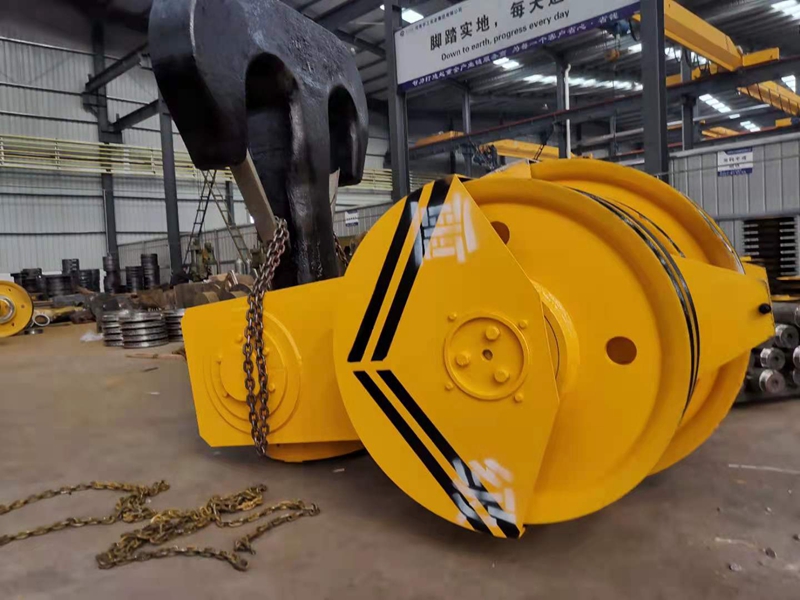
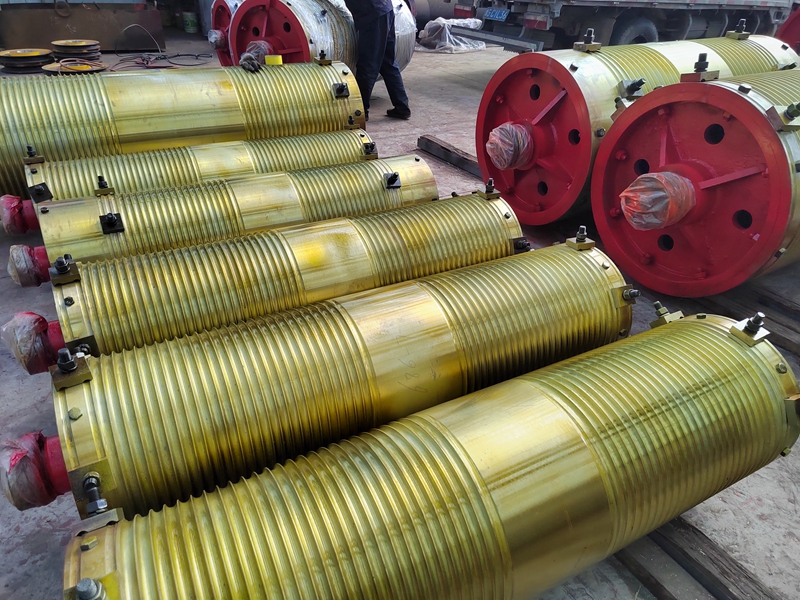
  The drum assembly is an important component of lifting machinery equipment. The two most crucial steps in the processing of the drum are welding and lathe machining.  The welding process ensures the quality of the weld seam on the drum, as well as its strength and rigidity. Generally, after welding, UT and MT flaw detection are required to inspect the quality of the welding;  Lathe machining ensures that the dimensions and tolerances of the reel meet the requirements specified in the drawings and for product use.  For some other products, the plate thickness exceeds the rolling capacity of the plate bending machine, requiring the process of heating the steel plate before rolling. For plates with a diameter of around Ø400 and a thickness greater than 25, plates with a diameter of around Ø500 and a thickness greater than 35, and plates with a diameter of around Ø600 and a thickness greater than 40, all require hot rolling of steel plates.  Wire rope jumping  Cause analysis: Both poor wear resistance of the rope groove and design mismatch can lead to disordered rope arrangement. In severe cases, it may cause the steel wire rope to jump out of the groove, resulting in the scrapping of the entire drum.  Cut bolts  Cause analysis: The machining dimensions are not qualified, resulting in poor clearance fit of the gear disc, which is externally manifested as bolt shearing.  Cylinder deformation  Cause analysis: The unqualified thickness has led to deformation of the reel, posing a safety hazard.

MORE >>

Regulations on inspection of hoisting machinery drums, pulleys, and transmission systems
2025-08-12
6384
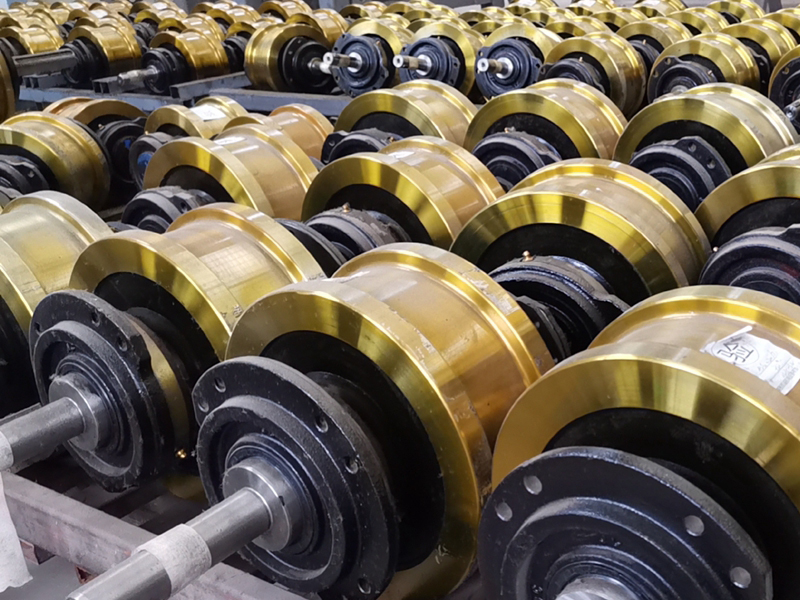
  Technical regulations for inspection of drums and pulleys of lifting machinery  1. The height of the edges on both sides of the reel should exceed the outer steel wire rope, and the value should not be less than twice the diameter of the steel wire rope;  2. The fixing device at the end of the steel wire rope on the reel should have anti-loose or self-tightening performance;  3. The pulley groove should be smooth and clean, without any defects that might damage the steel wire rope;  4. The pulley should be equipped with a device to prevent the steel wire rope from jumping out of the groove;  5. The drum and pulley should be scrapped when any of the following conditions occur:  1) Cracks or damaged wheel rims;  2) The wear on the drum wall reaches 10% of the original wall thickness;  3) The pulley groove has uneven wear of up to 3mm;  4) The wear on the pulley groove wall thickness reaches 20% of the original wall thickness;  5) The wear on the bottom of the pulley groove exceeds 25% of the corresponding wire rope diameter;  6) Other defects that can damage the steel wire rope.  Inspection regulations for the transmission system of lifting machinery  1. The clutch should engage smoothly, transmit power effectively, and disengage **;  2. The operation of each transmission component should be free from impact, vibration, heating, and oil leakage;  3. The gear meshing within the gearbox should be intact, with an appropriate amount of oil;  4. During operation, the gearbox should not produce abnormal noise, vibration, heat, or oil leakage;  5. The gearbox should be in the correct gear, and shifting should be smooth and effortless;  6. The coupling parts should not be damaged; the connection should not be loose, and there should be no loud impact sound during operation;  7. The steel wire ropes on the drum should be neatly arranged;  8. The anchor bolts of the gearbox and the connecting bolts of the housing should not be loose or damaged;  9. The reduction gearbox should operate without abnormal noise, and its temperature rise should comply with the specifications in the instruction manual.  Inspection cycle of lifting machinery The regular inspection cycle of in-service lifting machinery is as follows:  (1) Tower cranes, lifts, and mobile cranes: once a year;  (2) Light and small lifting equipment, bridge cranes, gantry cranes, portal cranes, cable cranes, derrick cranes, railway cranes, jib cranes, and mechanical parking equipment should be inspected once every 2 years, while cranes that lift molten and hot metals should be inspected once a year.  The rated load test, static load test, and dynamic load test items in the performance test must be conducted during the initial inspection and **regular inspections**. For the rated load test items, they shall be conducted once every subsequent inspection cycle.
MORE >>

National Sales Hotline

Address:No. 343, 3rd Floor, C2 Building, Smart Island Comprehensive Service Center, South Xindong Avenue, Hongqi District, Xinxiang City, Henan Province

Tel:

E-mail:

WeChat

Scan to add friends

FriendLink:

Henan Junzhong Electromechanical Equipment Co., Ltd