Regulations on inspection of hoisting machinery drums, pulleys, and transmission systems
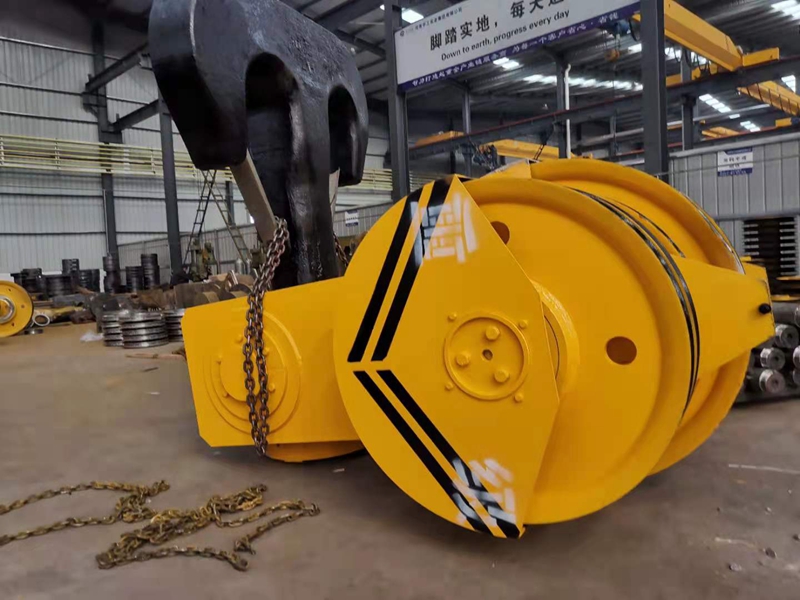
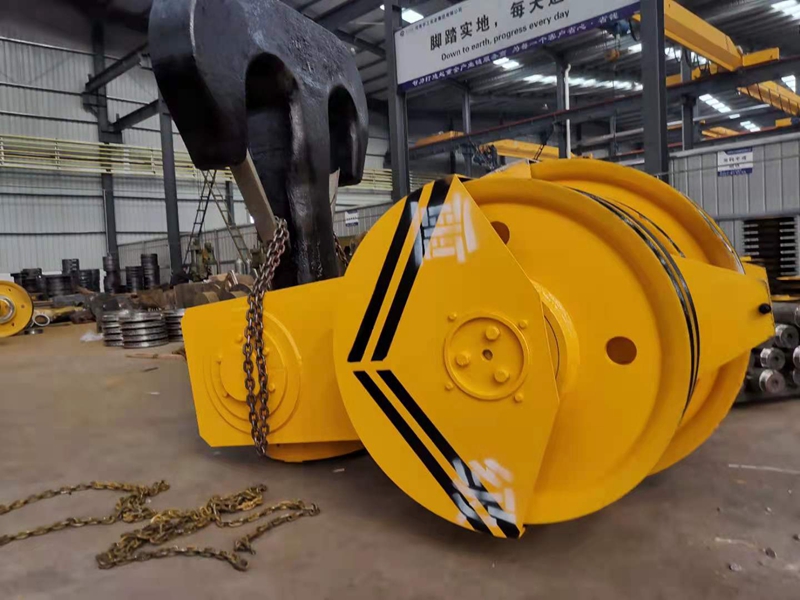
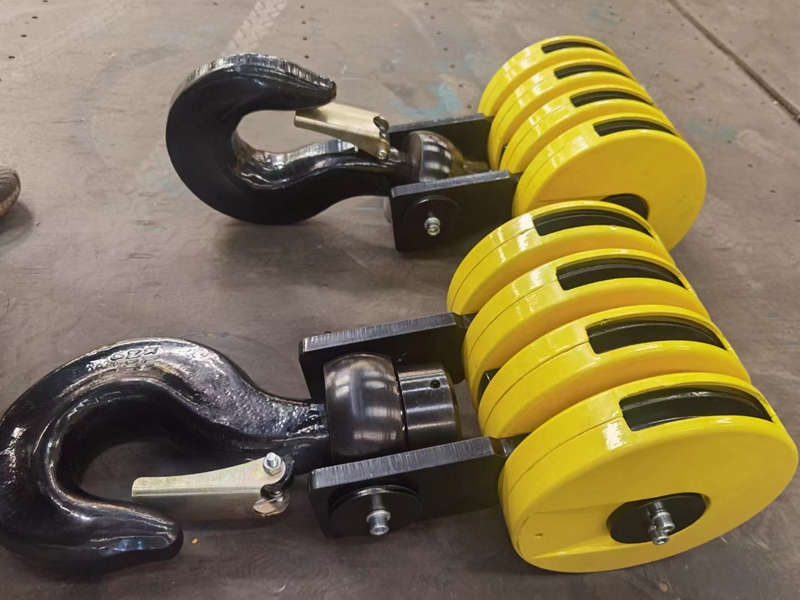
Technical regulations for inspection of drums and pulleys of lifting
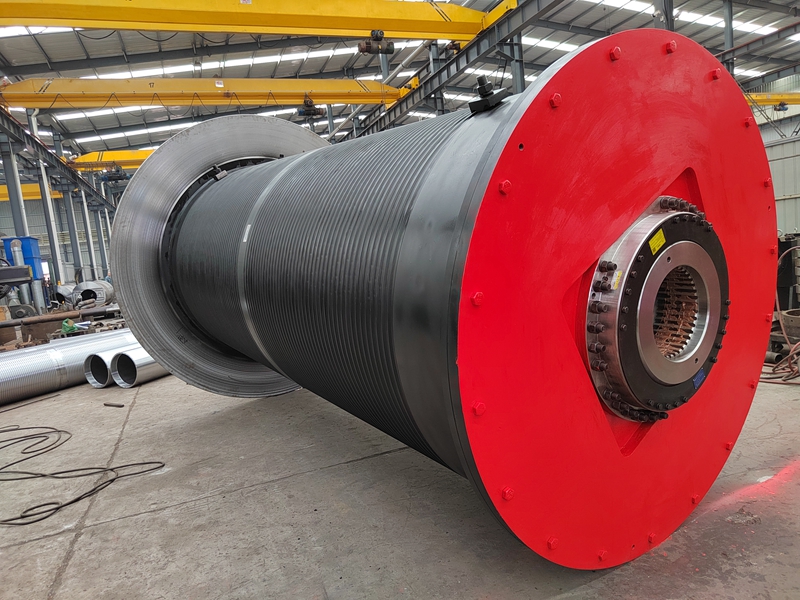
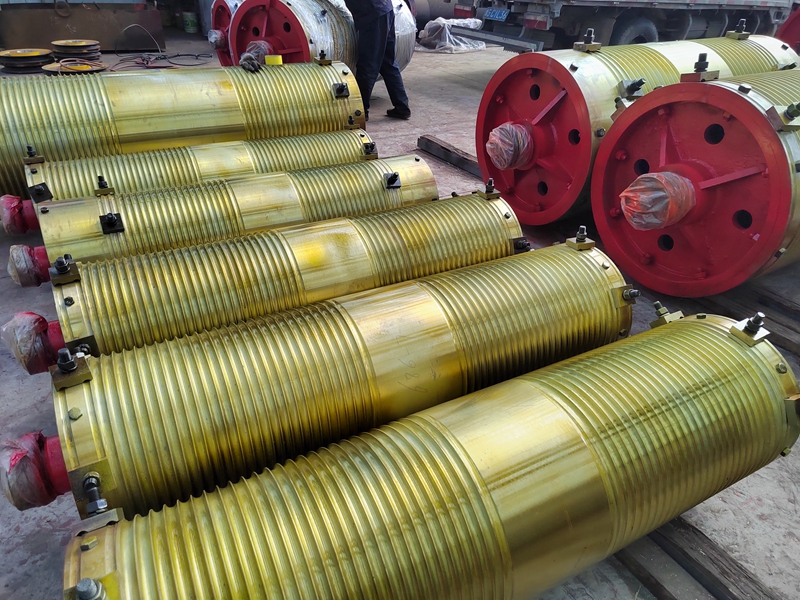
machinery 1. The height of the edges on both sides of the reel should exceed the
outer steel wire rope, and the value should not be less than twice the diameter
of the steel wire rope; 2. The fixing device at the end of the steel wire rope on the reel should
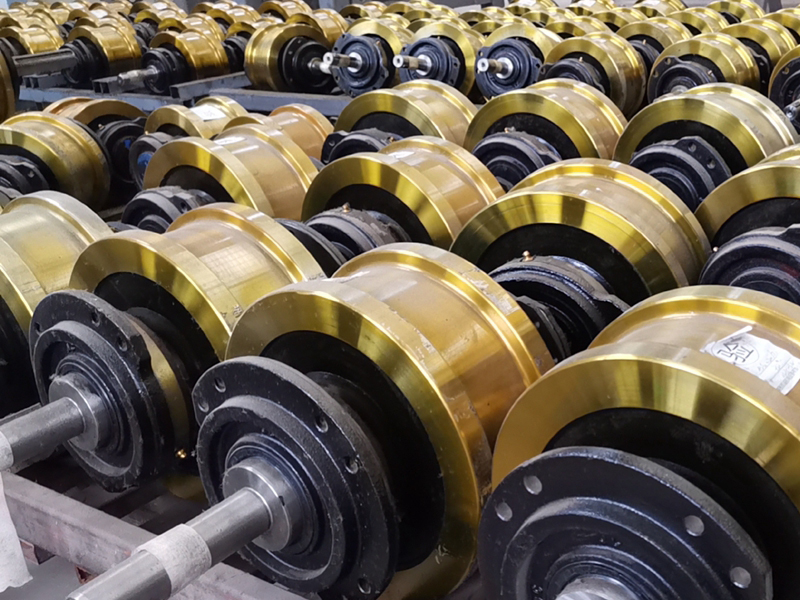
have anti-loose or self-tightening performance; 3. The pulley groove should be smooth and clean, without any defects that
might damage the steel wire rope; 4. The pulley should be equipped with a device to prevent the steel wire
rope from jumping out of the groove; 5. The drum and pulley should be scrapped when any of the following
conditions occur: 1) Cracks or damaged wheel rims; 2) The wear on the drum wall reaches 10% of the original wall
thickness; 3) The pulley groove has uneven wear of up to 3mm; 4) The wear on the pulley groove wall thickness reaches 20% of the original
wall thickness; 5) The wear on the bottom of the pulley groove exceeds 25% of the
corresponding wire rope diameter; 6) Other defects that can damage the steel wire rope. Inspection regulations for the transmission system of lifting machinery 1. The clutch should engage smoothly, transmit power effectively, and
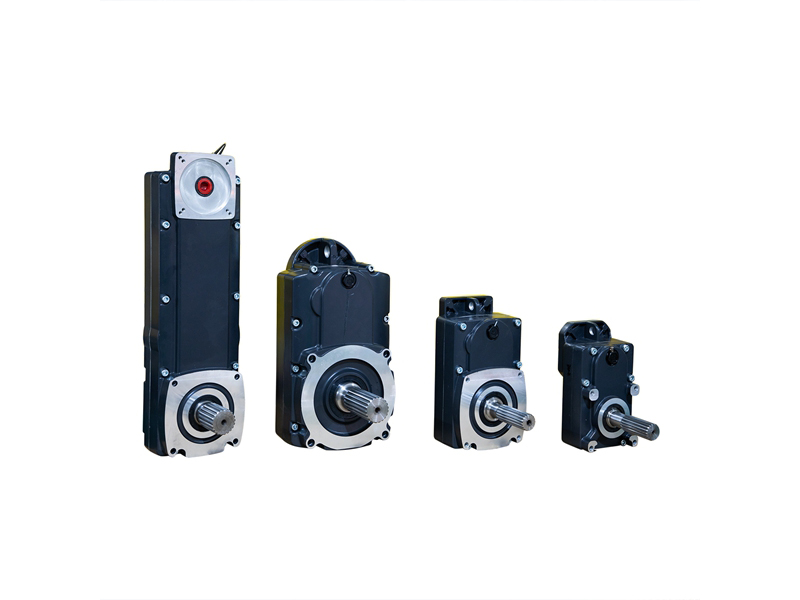
disengage **; 2. The operation of each transmission component should be free from impact,
vibration, heating, and oil leakage; 3. The gear meshing within the gearbox should be intact, with an
appropriate amount of oil; 4. During operation, the gearbox should not produce abnormal noise,
vibration, heat, or oil leakage; 5. The gearbox should be in the correct gear, and shifting should be smooth
and effortless; 6. The coupling parts should not be damaged; the connection should not be
loose, and there should be no loud impact sound during operation; 7. The steel wire ropes on the drum should be neatly arranged; 8. The anchor bolts of the gearbox and the connecting bolts of the housing
should not be loose or damaged; 9. The reduction gearbox should operate without abnormal noise, and its
temperature rise should comply with the specifications in the instruction
manual. Inspection cycle of lifting machinery The regular inspection cycle of
in-service lifting machinery is as follows: (1) Tower cranes, lifts, and mobile cranes: once a year; (2) Light and small lifting equipment, bridge cranes, gantry cranes, portal
cranes, cable cranes, derrick cranes, railway cranes, jib cranes, and mechanical
parking equipment should be inspected once every 2 years, while cranes that lift
molten and hot metals should be inspected once a year. The rated load test, static load test, and dynamic load test items in the
performance test must be conducted during the initial inspection and **regular
inspections**. For the rated load test items, they shall be conducted once every
subsequent inspection cycle.